What the Michelin Star System Got Right About Credibility That Most Agents Get Wrong
In a competitive market, buyers feel pressure to go high and go fast. The buyers who come out ahead are the ones who know how to be competitive without abandoning their financial judgment.
share
Date Published
5/7/2026
Illustration
One star on the door. Everything about the experience changes before you even sit down.
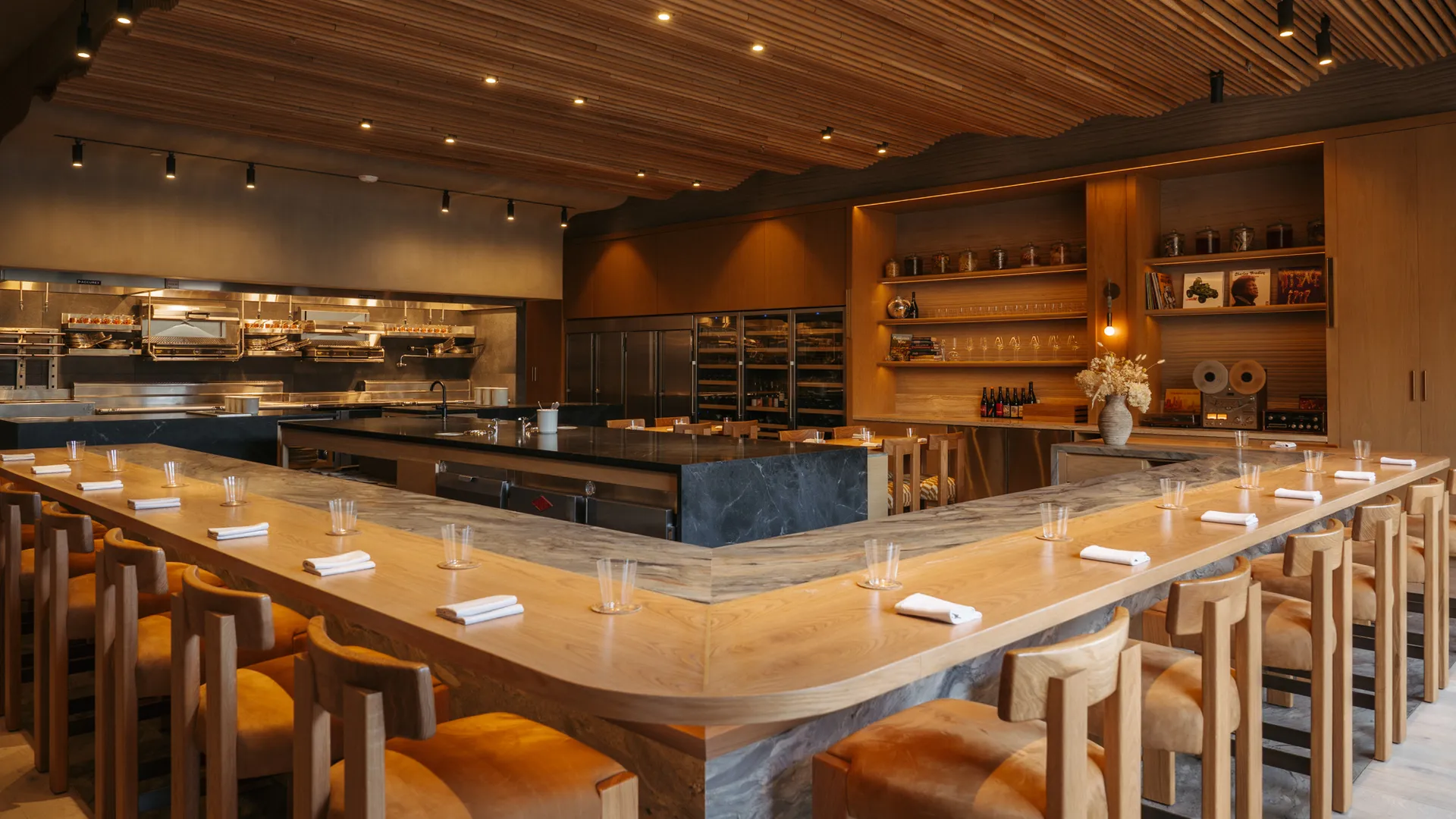
In 1900, the Michelin tire company published a small red guidebook to help French motorists find good places to eat, sleep, and repair their cars along the road. The goal was straightforward: keep people driving, and keep them buying tires. What they accidentally created was one of the most powerful credibility systems in the history of any industry.
A Michelin star does not just describe a restaurant. It transforms how people experience it. Two diners can sit at the same table, eat the same meal, and the one who knows the restaurant holds a star will almost always rate the experience more highly. The signal shapes the perception before the food arrives. This is not manipulation. It is how trust works at scale. External validation changes the context in which everything else gets evaluated.
This is precisely what most real estate agents are missing in how they build their online presence.
The instinct most agents have is to describe themselves. Years of experience. Number of transactions. Areas served. Certifications earned. These things live on websites and profiles as statements made by the agent about the agent, and buyers largely filter them out. Not because the information is false, but because it carries no independent weight. Everyone says they are experienced. Everyone says they provide great service. The words have been repeated so many times they have lost the ability to signal anything meaningful.
What Michelin understood is that credibility transferred from a trusted third party operates completely differently than self-reported credibility. The star is not the restaurant telling you it is good. It is an outside authority, with its own reputation at stake, telling you the restaurant earned something. That transfer of credibility is what makes the signal powerful, and it is why people will fly across the world to eat somewhere that has one.
In local search, the equivalent of that star is a well-managed, consistently growing body of genuine reviews combined with a profile that signals active engagement with the market you serve. Google surfaces these signals and uses them to determine who appears at the top of results in your area. Buyers read them and use them to decide who feels safe to call before they have ever spoken to you. The reviews are not just testimonials. They are third-party credibility transferred to your profile at scale.
At Ashford South, we build the infrastructure that makes this compounding over time. Review systems that generate a consistent flow of authentic client responses. Profile management that keeps the signals Google looks for active and current. Local content that reinforces relevance in specific markets. None of it requires the agent to describe themselves. It works because it shows Google and potential clients what others have already decided about you.
The Michelin inspectors never told diners what to think. They just gave the world a system for knowing where trust had already been earned. Your digital presence can work the same way. The agents who understand this stop trying to convince people to trust them and start building the kind of presence that does the convincing before the conversation even starts.