What Happened to Blockbuster Is Happening to Invisible Agents Right Now
It wasn't one bad decision that ended Blockbuster. It was a slow, quiet fade — and most of the people inside never saw it coming.
share
Date Published
4/7/2026
Illustration
The former giant that society moved on from all too quickly
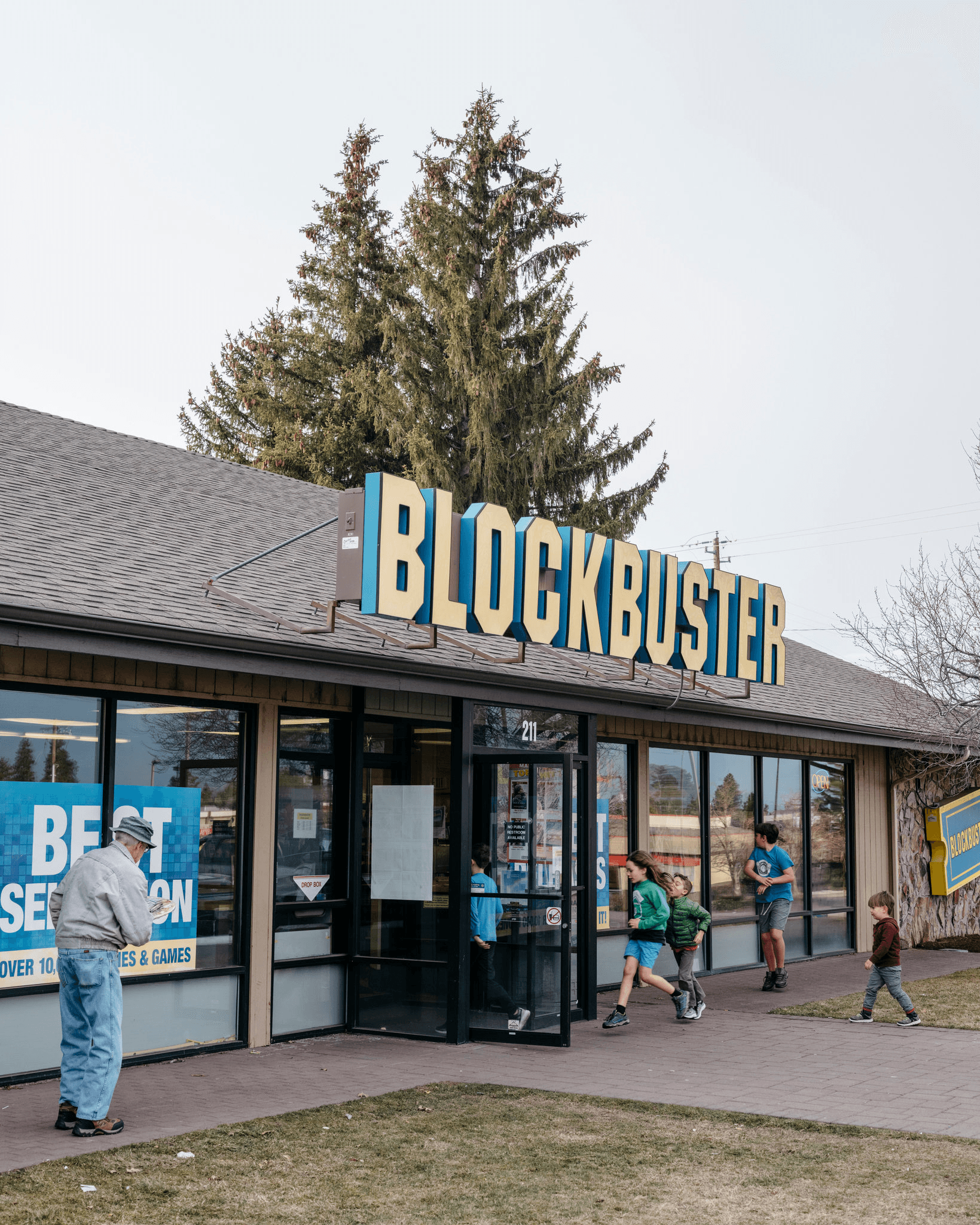
There is a version of this story most people get wrong. They frame Blockbuster's collapse as a technology problem, a company that simply refused to adapt when Netflix showed up with a better idea. But that isn't really what happened. Blockbuster was still opening new locations in 2008. They had a streaming product in development. They even had a deal on the table with Netflix that they walked away from. The problem wasn't that they were ignorant of the shift. It was that they didn't feel the urgency of it until the moment had already passed.
That is the part worth paying attention to.
The most dangerous version of falling behind isn't the dramatic kind, where things collapse overnight and the warning signs were obvious. It's the gradual kind, where nothing feels urgent because business still feels okay. Calls still come in. Referrals still trickle through. The pipeline looks manageable. And underneath all of that, something important is quietly eroding.
For a lot of real estate agents, that something is visibility. Not in the dramatic, "my business is failing" sense. More like: a competitor down the street is showing up in the Local Pack and you aren't. Someone who started in the business two years after you has four times the reviews. Buyers are searching your market every day, forming opinions about who to call, and your name isn't part of that conversation. You don't see it happening because the absence of opportunity rarely announces itself.
Blockbuster didn't lose because Netflix was louder. It lost because Netflix was more relevant to the moment people were actually in. When someone sat down on a Friday night and wanted to watch something, the friction of driving to a store started feeling unnecessary. The behavior shifted first. The business followed. By the time Blockbuster felt it clearly, the window had already closed.
Buyers are doing something similar today. They are not abandoning their agents dramatically. They're just making their first decisions, who looks credible, who has reviews, who shows up when they search, before anyone has a chance to introduce themselves. The agents who are present and clearly positioned in those moments are the ones converting that attention. The ones who aren't are losing opportunities they never knew existed.
This isn't about panic. It's about paying attention to where decisions are actually being made before they're being made about you. Blockbuster's real mistake wasn't technological. It was assuming that because things had always worked a certain way, they would continue to. Reputation built in person would carry online. Existing clients would refer enough new ones. Presence in the physical world would translate to presence in the digital one. None of those assumptions held, and by the time that became undeniable, it was expensive to fix.
At Ashford South, we work with agents who are sharp, experienced, and genuinely good at what they do. The ones who come to us aren't failing. They just recognize that the place where clients are forming their first impressions has shifted, and they want to show up there with the same professionalism they bring everywhere else. That's the move. Not reacting when things slow down, but staying ahead of the moment when visibility starts to matter most.
Blockbuster had the resources to adapt. They had the brand recognition. They had the customer relationships. What they didn't have was a sense of urgency while there was still time to use all of it. That's the only lesson worth taking from the whole story. Not that disruption is inevitable, but that the window to respond to it is always smaller than it looks.